What are your opinions regarding The Importance of Water Heater Maintenance?

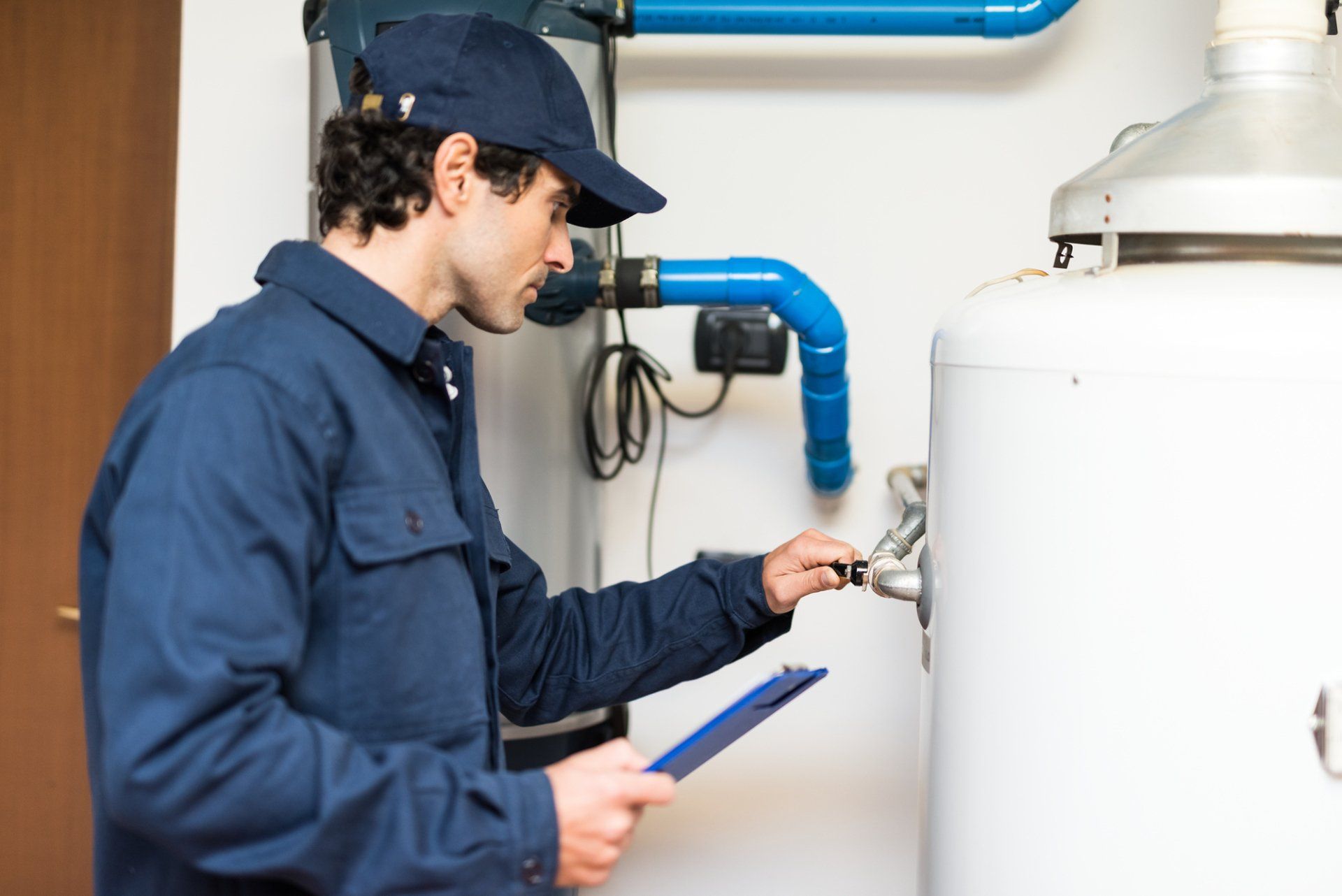
A water heater is among one of the most important fundamental home appliances that can be found in a house. With hot water heater, you do not require to experience the stress and anxiety of heating water by hand every time there is a demand to wash, wash, or the meals. Nevertheless, there is always an opportunity that your water heater would act up as with a lot of mechanical devices.
It is necessary to note any type of little breakdown and tackle it quickly before things leave hand. A lot of times, your hot water heater starts to malfunction when there is an accumulation of debris as a result of constant use. As a preventative measure, regular flushing of your water heater is recommended to stop sediment accumulation and also prevent practical failure.
Common hot water heater emergency situations and also just how to take care of them
Too little warm water
Handling an insufficient supply of hot water can be frustrating. It may be that the hot water heater can not support the hot water demand for your house. To handle this problem, you could attempt to readjust your heating unit's temperature dial and also wait for a few minutes. If the problem persists, you can ask for the help of a specialist plumber. You might upgrade your water heating unit to one with a bigger capacity.
Changing water temperature.
Your water heater might begin generating water of various temperature levels normally ice cold or hot warm. There might be a demand to change either the home heating or the thermostat system of your water heating unit.
Leaking water heater container.
A dripping storage tank could be an indicator of deterioration. It can trigger damages to the floor, wall surface and also electrical gadgets around it. You might even go to risk of having your apartment or condo flooded. In this scenario, you must switch off your hot water heater, allow it to cool down, and thoroughly seek the resource of the problem. At times, all you need to do is to tighten up a few screws or pipe links in cases of minor leaks. But if this does not function as well as the leak lingers, you could need to employ the services of a professional for an ideal substitute.
Discolored or odiferous water
When this occurs, you need to know if the concern is from the water or the container source. If there is no funny scent when you run chilly water, after that you are specific that it is your water heater that is defective. The stinky water can be caused by corrosion or the accumulation of microorganisms or debris in the water heating unit container.
Final thought
Some home owners overlook little warning and minor faults in their hot water heater system. This only results in further damage and a feasible total failure of your device. You should handle your water heater faults as quickly as they come up to stay clear of more expenditures and also unnecessary emergency troubles.
With water heaters, you do not need to go through the stress of heating water by hand every time there is a need to take a bath, do the washing, or the dishes. It may be that the water heater can't support the warm water need for your house. Your water heating system can begin creating water of various temperature levels usually ice cool or hot hot. If there is no amusing smell when you run cold water, after that you are particular that it is your water heating unit that is malfunctioning. The odiferous water can be caused by corrosion or the accumulation of microorganisms or sediments in the water heating system tank.
Common Water Heater Issues and What You Should Do
What Type of Water Heater Do You Have?
Before we begin it’s first important that you identify the type of water heater you have on your property. There are two main types of water heaters out there: conventional and high efficiency.
Both of these types of products typically use either gas or electricity to heat power. There are also solar water heaters that use a thermal collector on the roof or yard to heat the water.
While these models are not as common, they can cut heating costs in half. In this article, we will focus on conventional and high efficiency.
How Do My Electric and Gas Water Heater Work?
Though they look similar, electric and gas water heaters work very differently. It’s important to know their basic function because often problems can be specific to the heating source.
In the electric model, a thermostat on the side of the machine detects the temperature of the water in the tank. When the temperature needs to rise electricity flows to a heating element suspended in the water.
Gas models also use a thermostat device — typically with a mercury sensor at the tip and an additional sensor called a thermocouple. The thermocouple detects whether the pilot light is on and controls the flow of gas.
When the thermostat drops below the appropriate level gas is released which becomes ignited by the pilot light. The flame heats the bottom of the water tank which causes hot water to rise and cold water to drop.
This natural circulation continues until the water reaches the desired temperature. Then, the thermostat triggers the gas control valve to shut off the flow of gas.
What Are the Most Common Issues and How Do You Fix Them?
https://happyhiller.com/blog/common-water-heater-issues-and-what-you-should-do/
We hope you liked our post about The Importance of Water Heater Maintenance. Many thanks for taking the time to read through our blog post. Loved our write-up? Please share it. Help other people check it out. Thank you for your time. Don't hesitate to check our site back soon.
Schedule Your Job Now